Redwood City, CA · Garage Door Service
Garage Door Service for Menlo Park Homes
Serving Menlo Park from Redwood City, 4 miles out. We know the 1962-era torsion hardware on this side of town and what it takes to keep it running.
- Repairs & new doors
- Springs & openers
- Serving 4 nearby communities
Old Streets and New Ones
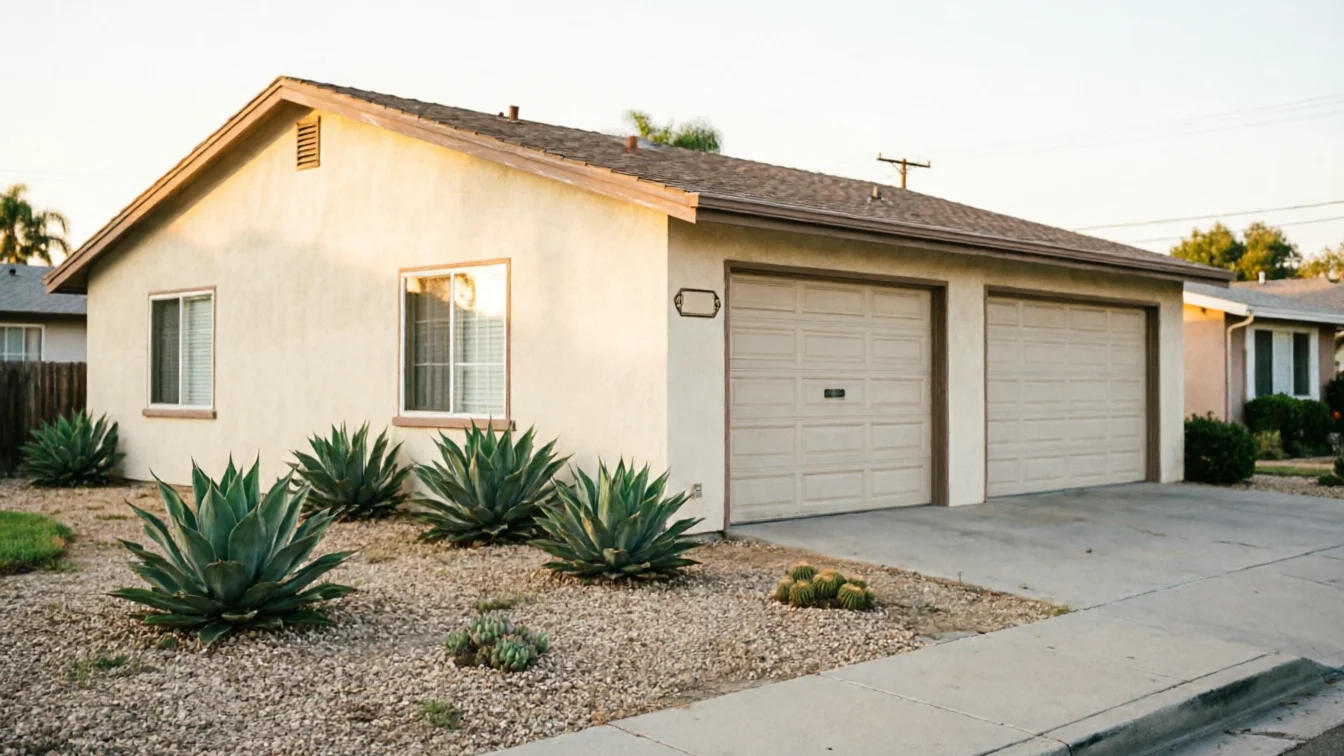
Menlo Park isn't one housing era, and we don't treat it like one. The median home here went up in 1962, sitting inside the broader 1947-1988 build window that shaped this whole stretch of the Peninsula. That median year matters more than it sounds like it should: a door and opener installed on a 1962 build has had at least one, often two, replacement cycles behind it, and the track and header framing underneath are original unless someone's already redone the garage. We come out from Redwood City, about 4 miles away, so we're not guessing about this area's age mix when we quote a job - we ask what decade the house went up before we ask what's wrong with the door. Newer infill on some lots skews younger, but the core of the neighborhood still runs on mid-century bones, and that's the baseline we work from.
The Houses Here
With roughly 11,624 households in Menlo Park, the housing stock is dense enough that we see a lot of repeat patterns rather than one-off weirdness. Combine a 1962 median build year with the mild temperate climate this part of the Peninsula sits in, and you get garages that haven't been stressed by freeze-thaw cycles or extreme heat swings - the kind of wear that cracks panels or warps tracks elsewhere in the country. What fails here tends to fail from age and cycle count, not weather. Springs lose tension gradually over a couple decades of regular use rather than snapping from cold. Median household income in Menlo Park runs around $206,588, and we notice it in the calls: more owners ask about a full opener and hardware upgrade rather than patching one part, because the repair-versus-replace math tips toward replace sooner here than in older, lower-turnover housing stock nearby.
What We Do Not Do
We don't keep a crew or depot in Menlo Park - every job is a drive from our Redwood City shop, and that's worth saying plainly rather than implying a local presence we don't have. We also don't try to match obsolete original hardware when a 1960s torsion system has worn past safe tolerances; past a certain point, hunting down discontinued parts costs more in time than a straight hardware swap, and we'll tell you that instead of stretching out a repair that won't hold. We don't do cosmetic work unrelated to the door - painting, trim, stucco patching around the opening - and we don't install openers without matching them to the door's actual spring weight, which some installers skip. If a job needs an electrician for a circuit upgrade, that's a separate call, not something we fold into the estimate.
What the Housing Means for Your Door
A door installed around the 1962 median in Menlo Park is most likely on its second hardware generation by now, which means the original rough opening and track spacing are probably still there even if the panel and opener have been swapped. That's the detail that trips people up: a new door box doesn't always mean new track alignment, and torsion springs sized for an older, heavier wood door sometimes end up paired with a lighter modern insulated panel, leaving the whole system out of balance. We check spring weight against door weight on every call here rather than assuming they still match. The mild climate means we're rarely dealing with weather-swollen panels or rust from salt air, so when a door's binding or dragging, it's almost always a hardware or alignment issue from age, not a seasonal one - which usually means a cleaner, more predictable fix.
Frequently asked questions
Do you have a location in Menlo Park?
No, we run out of Redwood City, about 4 miles away. We cover Menlo Park as part of our regular service area, but there's no local depot or staging site here - every job is a drive from the shop.
Why does my opener seem too strong or too weak for the door?
It usually comes down to a mismatch between the door's actual weight and the spring or opener it's paired with. With a lot of Menlo Park homes dating to around 1962, doors and openers have often been replaced separately over the decades rather than together, so the sizing can drift out of alignment without anyone noticing until it fails.
Is my old garage door hardware worth repairing?
Sometimes, but not always. Original torsion hardware from the 1960s building wave is often past the point where parts are easy to source, and chasing discontinued components can cost more than replacing the hardware outright. We'll look at the actual wear before recommending either path.
Does the mild climate here cause different problems than other areas?
Not really in the way people expect. Without hard freezes or major humidity swings, doors in this area rarely warp or rust from weather. Most of what we see is straightforward age and cycle wear on springs, rollers, and cables rather than climate damage.
Garage door services in Menlo Park
Every service our crew runs in Menlo Park, CA.
Book garage door service in Redwood City
Call now or request a quote - tell us what the door is doing and where you are.